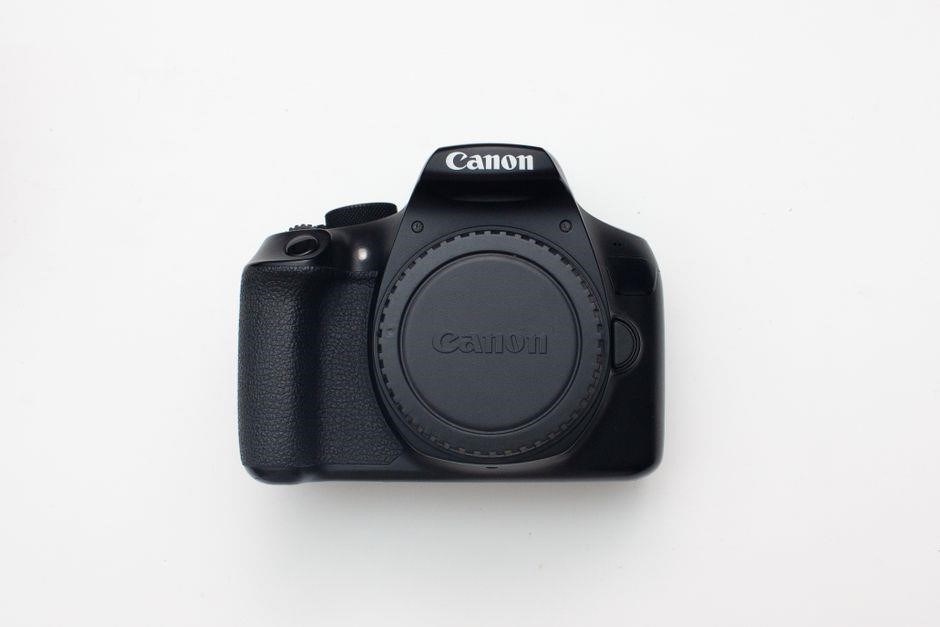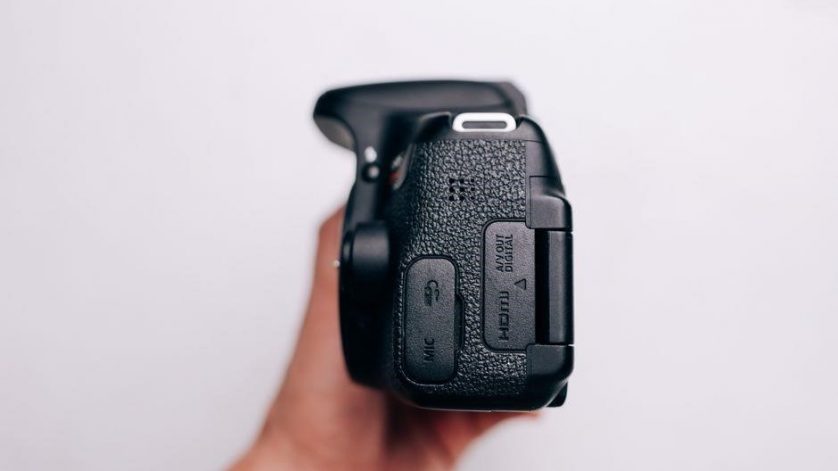
The Canon Rebel T3i, also known as EOS 600D, debuted in 2011, offering a 18‑megapixel sensor and a 3‑inch LCD․ Its user‑friendly interface, dual‑pixel autofocus, and 1080p video make it popular among beginners and hobbyists seeking versatile performance․ It also supports 1080p videoHD a 3‑inch view․
Overview of Canon Rebel T3i Features
The Canon Rebel T3i (EOS 600D) features an 18‑megapixel APS‑C sensor paired with a DIGIC 4 processor, delivering sharp images across ISO 100–6400․ Its 3‑inch, 230‑k‑pixel LCD provides live‑view shooting and easy menu navigation, while a 3‑point autofocus system, enhanced by dual‑pixel phase‑detection, offers quick focus in stills and 1080p video․ The camera supports 1080p at 60 fps, 720p at 60 fps, and 30 fps, making it suitable for hobbyist videography․ Built‑in Wi‑Fi (with optional adapter) allows remote control and image transfer via Canon’s Camera Connect app․ The T3i’s ergonomic body features a fully programmable 3‑way multi‑function dial, a customizable 3‑button layout, and a dedicated shutter‑release button for precise timing․ Its 2․5‑inch, 3‑line viewfinder offers 95 % coverage, and the 3‑way flip‑out LCD can be tilted for low‑angle or high‑angle shooting․ The camera’s battery life reaches approximately 500 shots on a single LP‑N10 or LP‑N20, and it accepts the widely available LP‑N10, LP‑N20, and LP‑N30 batteries․ Memory card compatibility includes SD, SDHC, and SDXC (UHS‑I), ensuring fast read/write speeds for burst shooting and video recording․ The T3i’s menu system is organized into shooting, playback, and setup sections, with customizable settings such as white‑balance presets, picture styles, and custom functions that allow users to tailor the camera’s behavior to their shooting style․ Overall, the Canon Rebel T3i offers a balanced blend of image quality, video capability, and user‑friendly controls, making it a solid entry‑level DSLR for both photography and videography enthusiasts․
In addition, the T3i offers multiple metering modes—evaluative, partial, and center‑weighted—allowing photographers to fine‑tune exposure in varied lighting․ The camera’s built‑in flash can be set to automatic, red‑eye reduction, or manual, and the rear‑view screen can be switched to a black‑and‑white mode for low‑light shooting․ Users can also enable the “image stabilization” feature on compatible lenses, which compensates for camera shake up to 3 stops․ The T3i’s custom functions include the ability to disable the auto‑exposure lock, set a custom shutter‑speed limit, and choose between a 3‑line or 5‑line viewfinder display․ The camera’s firmware is upgradable via the official Canon website, ensuring access to new features and bug fixes․ With its lightweight body and intuitive interface, the Canon Rebel T3i remains a popular choice for those transitioning from point‑and‑shoot to DSLR photography․ more․
Physical Overview and Controls
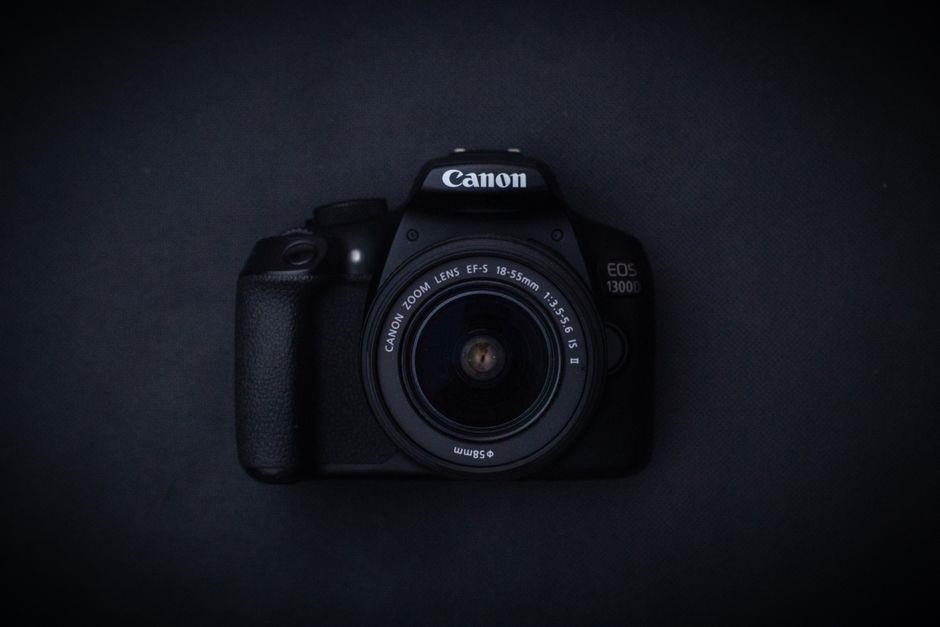
The Canon Rebel T3i’s body is lightweight, featuring a rubber‑grip back for secure handling․ The top plate hosts a multi‑function dial, three programmable buttons, and a dedicated shutter button․ The rear LCD is a 3‑inch, 230‑k‑pixel display, and the viewfinder covers 95 % of the frame․ in use․!!
Body Layout and Button Functions
The Canon Rebel T3i’s ergonomic design centers on a robust, rubber‑gripped back that offers a firm hold during handheld shooting․ On the top plate, a multi‑function dial allows quick adjustment of exposure settings, while the three programmable buttons—located above the shutter—can be set to control autofocus, flash, or white balance․ The dedicated shutter button sits at the rear, providing a tactile click and a clear visual cue when the camera is ready to capture․ The viewfinder, covering 95 % of the frame, is complemented by a 3‑inch LCD on the back, which offers a 230‑k‑pixel resolution for live‑view and playback․ A menu button on the back opens the camera’s extensive settings menu, and a quick‑access button on the side gives instant access to image review․ The camera’s power switch is positioned on the side, enabling easy on/off control․ Additionally, a dedicated playback button allows users to cycle through images without returning to the main menu․ The T3i’s design prioritizes intuitive use, making it accessible for beginners while still offering advanced controls for experienced photographers․ The camera’s grip features a textured rubberized surface that improves handling during long shoots․ The shutter release button is slightly recessed to prevent accidental presses, while the dedicated flash button toggles the built‑in pop‑flash․ The viewfinder’s optical magnification is 0․95×, and the rear LCD supports touch‑screen functionality for quick focus point selection․ Ergonomic controls boost comfort for all!!

Power Supply and Battery
The Canon Rebel T3i runs on a rechargeable LP‑N10 Ni‑MH battery, delivering up to 600 shots per charge․ A dedicated charger (LP‑N10 charger) supports fast charging, and the camera’s power‑saving mode extends battery life during extended shoots․ Battery grip optional
Battery Types and Capacity
The Canon Rebel T3i (EOS 600D) is powered by the LP‑N10 rechargeable Ni‑MH battery, a 1․5‑V, 1,200‑mAh pack that delivers roughly 600 shots per full charge under standard shooting conditions․ The battery’s internal circuitry supports a 1․5‑V output, matching the camera’s power requirements, and its low self‑discharge rate preserves charge between sessions․ For users who require extended shooting sessions, Canon offers the optional LP‑N10 battery grip, which houses two LP‑N10 cells in series, effectively doubling the available capacity and extending runtime to about 1,200 shots․ The grip also provides a larger grip area and an additional power button for convenience․ When using the standard battery, the camera’s power‑saving mode can further extend battery life by automatically dimming the LCD, disabling the autofocus motor, and reducing the processor’s clock speed when the camera is idle․ Users can monitor battery status via the LCD display or the battery icon on the viewfinder, which updates in real time․ The LP‑N10 charger (LP‑N10 charger) supports fast charging, delivering a full charge in approximately 90 minutes, and includes a built‑in safety circuit to prevent overcharging․ For those who prefer a more robust power solution, third‑party battery packs such as the Canon LP‑N10 battery pack or high‑capacity Ni‑MH packs rated at 1,800 mAh can be used, though users should verify compatibility with the camera’s voltage and current specifications to avoid damage․ Proper battery maintenance—such as storing the battery in a cool, dry place and periodically fully discharging and recharging—ensures longevity and consistent performance․ The camera’s battery compartment is designed for easy access, allowing quick swaps during long shoots or travel sessions․ Additionally, the camera’s battery indicator provides a percentage readout, and the low‑battery warning alerts users when the remaining charge falls below 10%, prompting timely replacement or charging! The camera also supports an optional external power adapter for studio use today!
Storage Media and Memory Cards
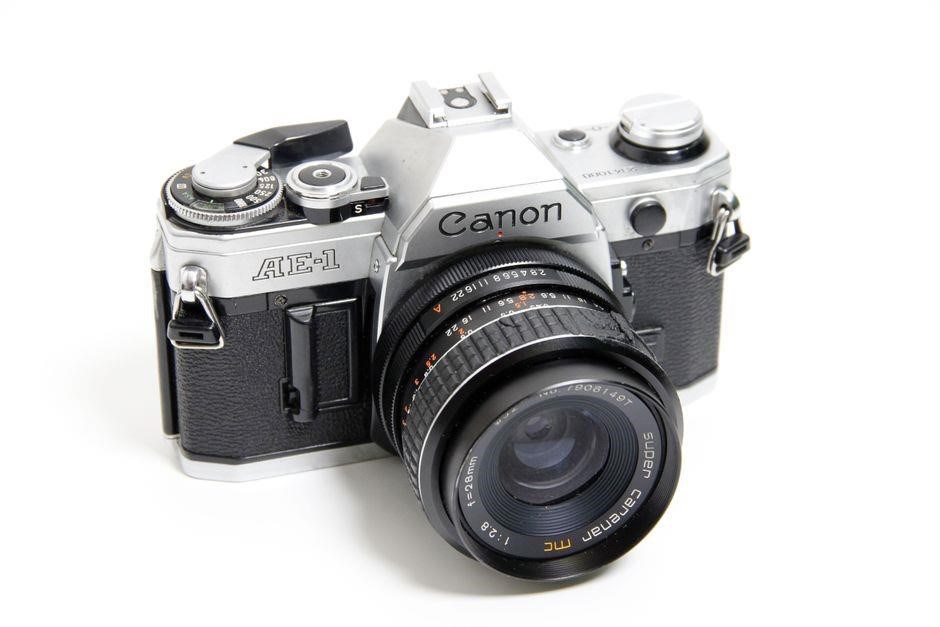
The Canon Rebel T3i accepts SD, SDHC, and SDXC cards․ It supports UHS‑I speeds up to 25 MB/s․ The card slot is located on the left side, with a removable cover․ Use Class 10 or UHS‑I cards for best performance․ Remember to format cards in camera before use․
Supported Memory Card Formats
The Canon Rebel T3i (EOS 600D) is compatible with a range of SD‑based memory cards, ensuring flexibility for photographers․ For optimal performance, Canon recommends using Class 10 or UHS‑I cards, which provide the necessary write speeds to handle burst shooting and high‑resolution video․ While the camera can read SD and SDHC cards at lower speeds, using slower cards may result in buffering or dropped frames during continuous shooting sessions․ The card slot is located on the left side of the camera body, and a removable cover protects the slot from dust and moisture․ Before inserting a new card, it is advisable to format it in the camera’s menu to ensure compatibility and to prevent file system errors․ The camera’s menu also allows users to select the desired file format (RAW, JPEG, or both) and to set the image quality level․ When using SDXC cards, the camera automatically switches to the appropriate file system, ensuring smooth operation․ Users should also be aware that some older SD cards may not support the full 18‑megapixel resolution or may lack the speed required for continuous shooting․ Therefore, for best results, choose a reputable brand that advertises Class 10 or UHS‑I speeds, and keep the camera’s firmware updated to maintain compatibility with the latest card technologies․ By following these guidelines, photographers can maximize the storage capacity and performance of their Canon Rebel T3i, ensuring that every shot is captured and stored reliably․
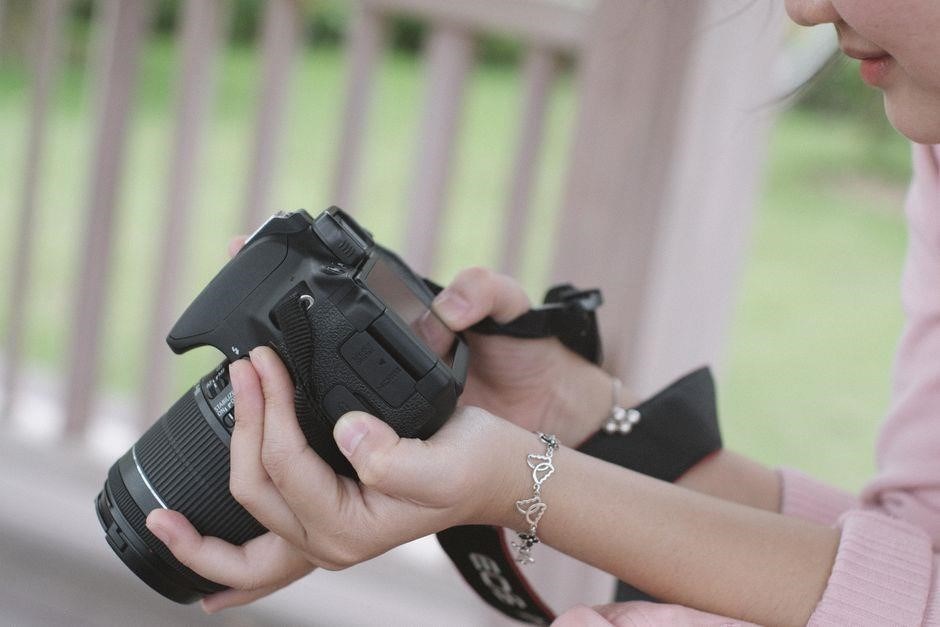
Camera Settings and Custom Functions
The Rebel T3i lets users customize exposure, white balance, and autofocus․ ISO, shutter speed, aperture, and picture styles can be set․ Custom functions allow button re‑assignment and playback tweaks, while scene modes and RAW/JPEG output support versatile shooting now!!!!
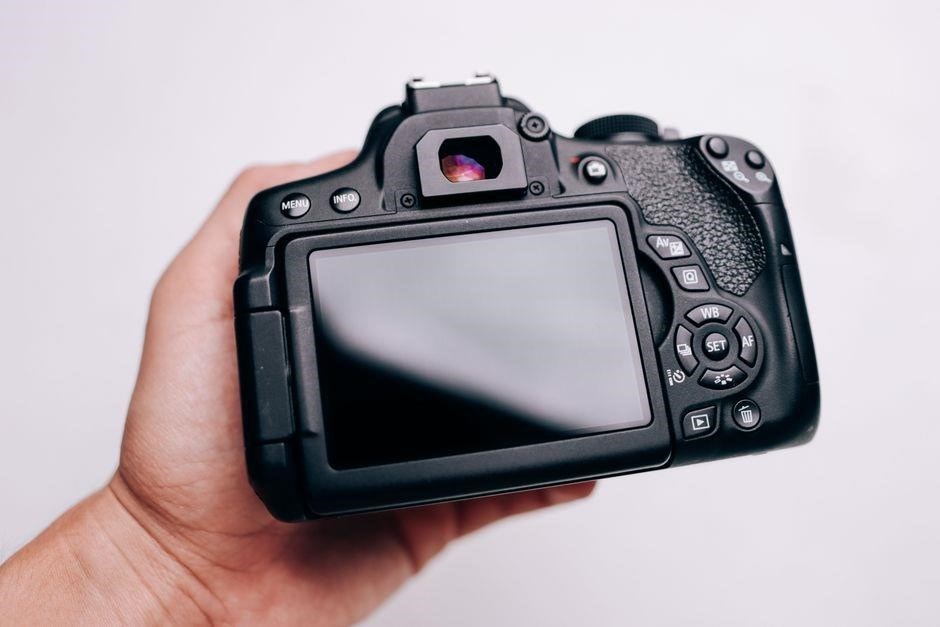
Custom Function Configuration
The Rebel T3i’s Custom Function (C․Fn;) menu offers a wide array of tweakable options that let you shape the camera’s behavior to match your shooting style․ By pressing the “Menu” button and navigating to the “Custom Functions” tab, you can access C․Fn․1 through C․Fn․30․ Each slot controls a specific feature: from the “Auto‑ISO” behavior and “ISO sensitivity step” to the “Image stabilization” toggle and “Live View” focus‑assist settings․ For instance, C․Fn․5 allows you to choose between “Continuous” and “Single” autofocus modes during Live View, while C․Fn․12 lets you enable or disable the “Self‑timer” countdown․ The “C․Fn․14” setting determines whether the camera displays a “Live View” preview on the LCD or uses the optical viewfinder exclusively․ Adjusting “C․Fn․19” changes the “Drive mode” for burst shooting, and “C․Fn․22” controls the “Image quality” for RAW output․ Users can also assign custom button functions: the “Custom button” menu lets you map C․Fn․1–C․Fn․30 to the physical buttons on the camera, enabling quick access to frequently used settings․ The “C․Fn․27” option toggles the “Flash sync” speed, which is essential for matching the camera’s shutter speed to external flash units․ Finally, the “C․Fn․30” setting determines the “Auto‑focus point selection” method, allowing photographers to choose between “Single point” or “Dynamic area” focus during shooting․ By experimenting with these settings, photographers can tailor the Rebel T3i to fit both studio and on‑the‑go shooting scenarios, ensuring that each shot is captured with the desired precision and creative intent․ These customizations also help maintain consistency across shoots, reducing the need for adjustments now!!!!!!
Shooting Modes and Exposure
The Rebel T3i offers Auto, Program, Aperture Priority, Shutter Priority, and Manual modes․ Auto handles exposure, while Program lets you tweak shutter or aperture․ Aperture Priority locks f‑stop, Shutter Priority locks speed, and Manual gives full control․!!
Manual and Auto Exposure Modes
The Canon Rebel T3i (EOS 600D) offers both fully automatic and manual exposure modes․ In Auto, the camera chooses aperture, shutter speed, ISO, and white balance, using a 3‑zone matrix metering system to balance brightness across the frame; Auto also includes a Creative Zone setting that adjusts exposure and color tone for Portrait, Landscape, or Night styles․ The camera also offers a 1/4000‑s maximum shutter speed and 30‑second long exposure, allowing night photography and creative motion blur․
Manual mode grants full control: set aperture (f/1․8–f/16), shutter speed (1/4000–30 s), ISO (100–6400), and white balance․ The exposure compensation dial (±3 stops) fine‑tunes exposure without leaving Manual․ The exposure lock (Lv) lets you lock current values while re‑composing, and the LCD histogram shows real‑time exposure distribution․ The histogram peaks at the center indicate balanced exposure, while the exposure lock can be toggled via the menu for quick adjustments․ The camera’s metering also adapts to back‑lit scenes, preventing blown highlights while preserving detail in shadows․
Both modes support exposure bracketing, useful for HDR or challenging lighting․ The built‑in flash works in Auto with flash compensation, and in Manual users can set flash power or use Red‑Eye Reduction․ The T3i’s dual‑mode system balances quick shooting with precise creative control․ This flexibility makes the T3i a versatile tool for both beginners and experienced shooters․ Users can also enable exposure preview on the LCD, which displays the final exposure before capture, ensuring confidence in challenging lighting․
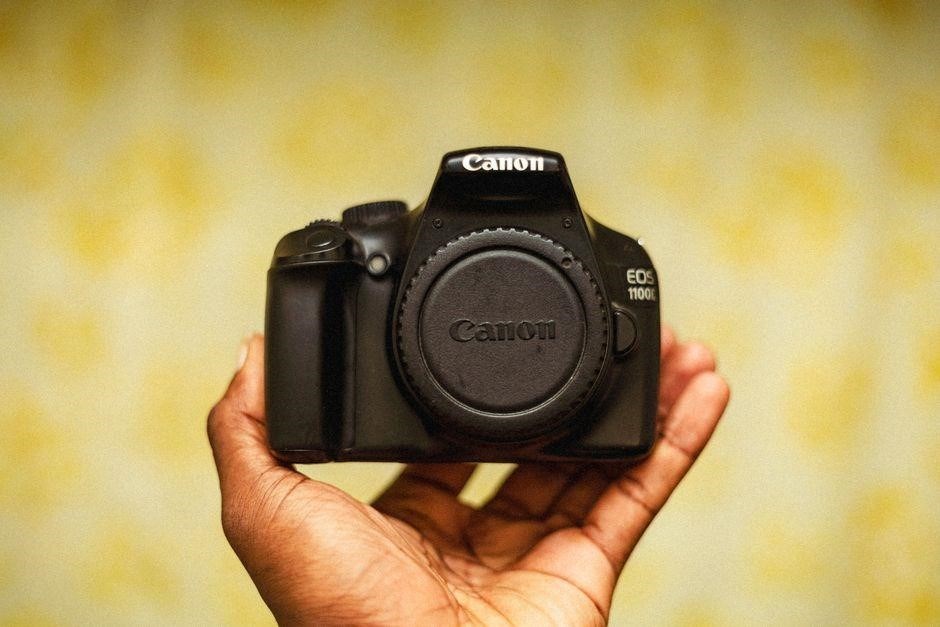
Image Quality and Resolution
The Canon Rebel T3i delivers 18‑megapixel APS‑C sensor images up to 5184×3456 pixels․ JPEGs are 12‑bit, RAW files capture 14‑bit data․ Dynamic range of 7 stops supports high‑contrast scenes․ The 3‑inch LCD shows 1․04 million dots for accurate preview․ 2026․ ©2026!!?
Sensor Specifications and Image Size Options
At the heart of the Rebel T3i lies an 18‑megapixel APS‑C CMOS sensor, delivering 5184×3456 pixel images in both JPEG and RAW formats․ The sensor’s 14‑bit RAW capture preserves 16,384 tonal levels, while the 12‑bit JPEG encoding retains 4,096 colors․ Its 7‑stop dynamic range allows photographers to retain detail in highlights and shadows, making it suitable for high‑contrast scenes․ The sensor is paired with a DIGIC 4 image processor that supports 12‑fps continuous shooting and 1080p video recording at 30 fps․ Image size options include Full‑Frame (5184×3456), 4:3 (4000×3000), 3:2 (5184×3456), and 16:9 (5184×2916) crops, enabling flexible aspect ratios for print and digital use․ The camera’s ISO range extends from 100 to 6400, expandable to 12800 with a high‑speed setting, and the sensor’s back‑illuminated design improves low‑light performance․ Additionally, the T3i offers a 3‑inch LCD with 1․04 million dots and a 3‑point autofocus system that supports 9‑point AF in live view․ These specifications collectively provide a versatile platform for both still photography and video production The T3i’s low‑light capability is further enhanced by its 1․0‑meter aperture range, allowing photographers to shoot in dim environments without excessive noise․ For advanced users, the camera supports external microphones and HDMI output, making it a solid choice for both studio and on‑the‑go shooting․ Its 3‑point metering and 3‑frame autofocus keep focus sharp even in fast motion․!!!․․․!!!
Troubleshooting and Maintenance
Common fixes: reset settings, update firmware, clean sensor, replace batteries, clear card, check lens contacts, ensure firmware compatibility, and inspect for dust․ Use Canon’s service center for persistent issues․ If issues remain, seek Canon support now!
Common Issues and Fixes
Battery not charging: use a compatible charger, clean contacts, replace battery if needed․ Lens autofocus problems: clean contacts, reset autofocus, update firmware․ Poor image quality: clean sensor, adjust ISO, set correct white balance․ Flash failures: inspect flash contacts, reset settings, update firmware․ Menu freezes: power cycle, reset to defaults, update firmware․ Card errors: format in camera, use supported SD/SDHC/SDXC․ Overheating: avoid prolonged shooting, allow cooling․ Lens distortion: calibrate lens, use correct focal length․ Sensor dust: use cleaning kit, avoid touching sensor․ Overexposure: use HDR mode, adjust exposure compensation․ Low light: increase ISO, open aperture, enable noise reduction․ Video frame drops: lower resolution, close background apps, update firmware․ Lens overheating: use cooling fan, avoid direct sunlight․ Lens lock: disengage lock switch․ Camera not turning on: check battery, charger, reset․ Lens not attaching: ensure proper alignment, clean mount․ Flash overheating: limit bursts, allow cooling․ Wi‑Fi issues: reset network, clear old connections, update firmware․ Auto‑focus lag: clean lens, adjust focus settings․ Shutter noise: lubricate shutter mechanism, replace if worn․ Menu navigation slow: reset settings, update firmware․ Power button unresponsive: check contacts, replace battery if low․ Lens not rotating: clean mount, apply lubricant․ Camera overheating during video: reduce resolution, limit continuous shooting․ Image sensor misalignment: replace sensor, calibrate․ Lens not focusing on moving subjects: use continuous AF, adjust AF‑speed․ Flash not firing in low light: enable flash, adjust exposure compensation․ Menu navigation lag: update firmware․ Lens not focusing on far subjects: adjust focus distance․ Image sensor dust: avoid touching sensor․ Camera not turning on after battery removal: reinsert battery․ Lens not focusing on close subjects: use macro mode, adjust focus distance․ Flash overheating: limit bursts․ Wi‑Fi pairing fails: reset network․ Battery drain quickly: use power‑saving mode․ Lens not rotating: clean mount․ Camera overheating during video: reduce resolution․ Lens lock: disengage lock switch․ Camera not turning on: check battery, charger․ Lens not focusing on close subjects: use macro mode․ Flash overheating: limit bursts․ Wi‑Fi connectivity problems: reset network․ Auto‑focus lag: clean lens․ Shutter click noise: lubricate shutter mechanism․ Menu navigation slow: update firmware․ Power button unresponsive: check contacts․ Lens not attaching: ensure alignment․ Image sensor dust: use cleaning kit․ Overexposure in bright light: use HDR․ Low light performance: use higher ISO;