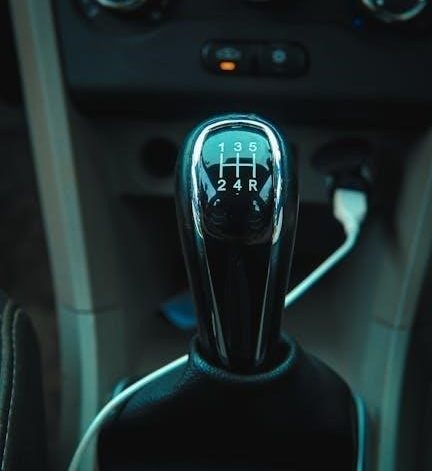
Discover the rewarding skill of driving a manual transmission. Though automated systems are prevalent, mastering a stick shift offers a custom and engaging experience. This guide helps you find the perfect car to begin your journey, unlocking the unique joys of manual driving.
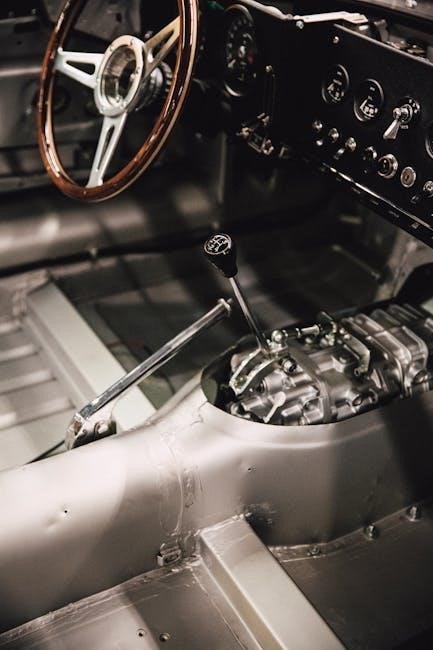
The Joy of Driving Stick Shift
Embracing a manual transmission elevates driving beyond mere transportation into an art form. The satisfaction of perfectly timed shifts and precise clutch control creates a deeply engaging, custom driving experience, cherished by enthusiasts. As the world pivots towards automatic and electric vehicles, the unique connection with the road offered by a stick shift remains a powerful draw, promising a more immersive journey for those who master it.
The joy stems from the direct command over the car’s power and momentum. Unlike automatics, a manual demands active participation, fostering a sense of accomplishment with every smooth gear change. While traffic might present challenges, the overall reward of this hands-on interaction makes it “worth learning stick for.” Many find it not just a skill, but a passion that lasts decades, transforming every drive into an enjoyable endeavor.
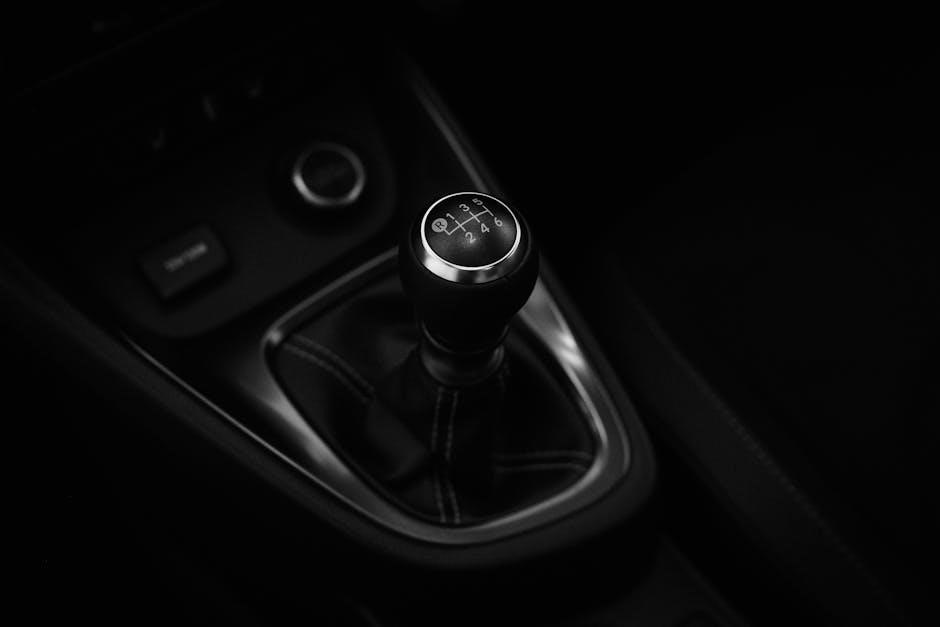
This distinct appeal ensures becoming a “stick-shift master” is more than just operating a vehicle; it’s unlocking a richer, more tactile bond with motoring. Get ready to discover the profound joys of truly driving, an experience automated systems simply can’t replicate.
Why Learn Manual Transmission
Learning to drive a manual transmission, or “stick shift,” offers compelling advantages beyond mere transportation. In an increasingly automated world, mastering this skill provides a unique and engaging custom driving experience, fostering a deeper connection between driver and machine. Enthusiasts consistently highlight the profound satisfaction derived from precise gear changes and the tactile feedback of the clutch.
Beyond enjoyment, knowing how to drive a manual car grants invaluable versatility. It ensures you can handle virtually any vehicle, especially useful when traveling internationally where stick shifts are common, or when encountering older models. This proficiency also cultivates a more comprehensive understanding of a car’s mechanics and how power is delivered, making you a more skilled and aware driver overall.
Furthermore, while some perceive it as challenging, many find the learning process surprisingly easy with the right approach. It’s a rewarding accomplishment, empowering you with a sought-after skill that can last a lifetime, as many drivers, once learned, never revert to automatics. Embrace the journey and unlock a richer, more connected way to navigate the road.
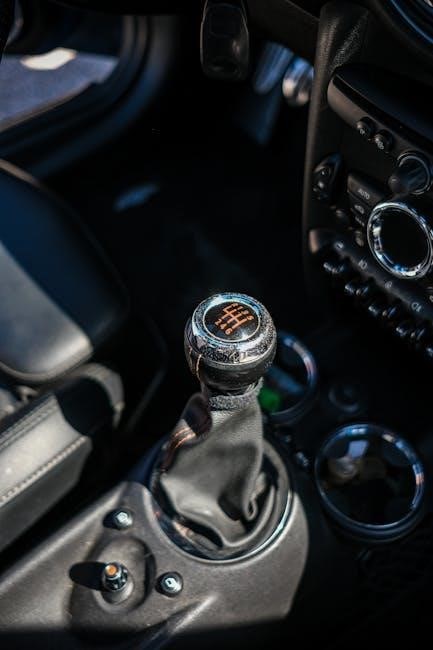
Essential Characteristics for a First Manual Car
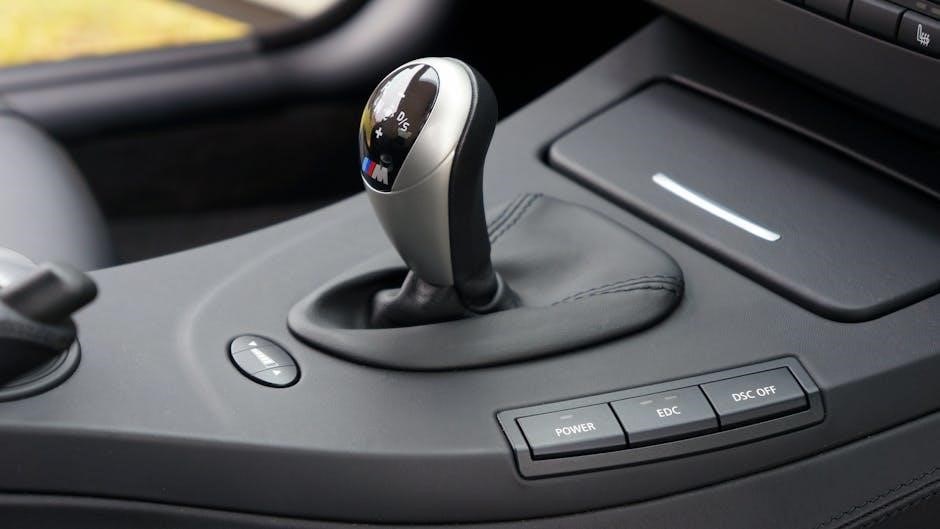
A first manual car needs a forgiving clutch and an intuitive shifter. Reliability and affordability are crucial. Look for adequate low-end torque to minimize stalling, ensuring a smoother learning experience for beginners. Simple gear differentiation also aids mastery.
Forgiving Clutch and Shifter
A crucial characteristic for any first manual car is a forgiving clutch and a smooth, precise shifter. Learners benefit immensely from a clutch that offers clear feedback and a broad engagement point, reducing the likelihood of stalling. This allows new drivers to more easily sense the “bite point” where power begins to transfer, making smooth starts significantly less intimidating. A well-designed clutch assembly, known for its durability, also provides peace of mind, as learners often subject the clutch to more wear during initial practice.
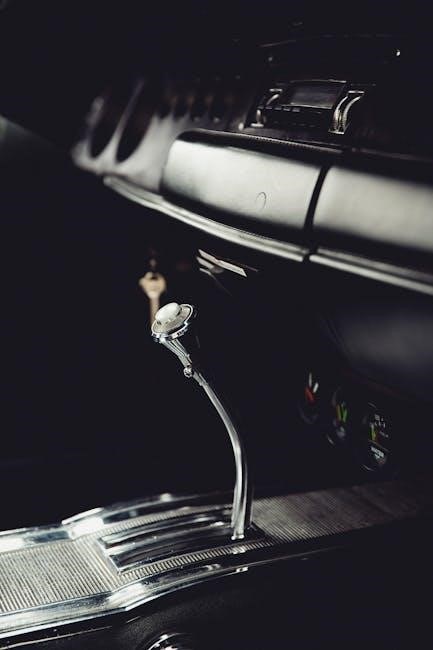
Equally important is a shifter that is easy to manipulate and clearly differentiates between gears. Some vehicles feature incredibly long shifter throws and clutch travel, which can be advantageous for beginners. This extended movement makes it simpler to confirm that the desired gear is engaged and to feel the precise moment the clutch bites, minimizing missed shifts and further reducing stalls. The physical feedback from the shifter, such as a reduction in vibration when the clutch is fully engaged, offers an invaluable tactile cue for those still developing their coordination. Ultimately, a car designed with these user-friendly transmission components greatly accelerates the learning curve, building confidence in new manual drivers by making the initial stages of control more intuitive and less frustrating.
Reliability and Affordability
For a first manual transmission car, reliability and affordability are crucial. New drivers often put extra stress on components like the clutch, so a durable vehicle is essential. Honda models, for example, are known for robust stick shifts, with clutches built to withstand significant use without premature wear. If a replacement becomes necessary, Honda parts are typically inexpensive and straightforward to install, minimizing ownership costs during the learning phase.
Affordability also extends to the initial purchase price, especially for a vehicle that might endure beginner-level wear. Cars like the Nissan Sentra are excellent candidates, offering an accessible entry point, particularly in the used market. Their simple manual transmission systems contribute to both ease of learning and lower repair expenses. The Toyota Echo also stands out as a reliable and easy-to-drive option, often available at an attractive price. Opting for an affordable and dependable car ensures the focus remains on mastering the skill without the added financial burden of frequent, costly repairs. This combination of low purchase cost, inexpensive maintenance, and inherent durability makes the learning process more sustainable and less stressful for aspiring stick-shift masters, allowing confident practice without constant worry.
Adequate Low-End Torque
A car with adequate low-end torque is a significant advantage for anyone learning manual transmission. This characteristic makes the vehicle more forgiving, helping new drivers avoid frequent stalls, especially when starting from a stop or attempting to recover from a missed shift. Engines with strong low-end “grunt” can get the car moving smoothly even with less-than-perfect clutch engagement, effectively bailing out a beginner from a sloppy start.
Vehicles known for this quality include certain trucks or those equipped with diesel engines, which inherently provide substantial low-end torque. For instance, a 1997 Dodge Dakota pickup was noted for its fairly torquey response, contributing to a more forgiving learning experience and fewer stalls for beginners. Similarly, farm tractors are surprisingly effective learning tools due to their abundant torque and relatively low operating speeds. This allows learners to focus on clutch control without the immediate pressure of higher speeds or complex shifting scenarios. While some argue that an underpowered car forces better clutch finesse, a torquey engine offers a gentler introduction, building confidence before tackling more challenging vehicles.
Recommended Car Models for Learning Manual
Choosing an ideal first manual car is key. Based on enthusiast feedback, several models stand out for their forgiving nature and ease of use. This section highlights top recommendations to help you confidently master the stick shift.
Mazda Miata (MX-5)
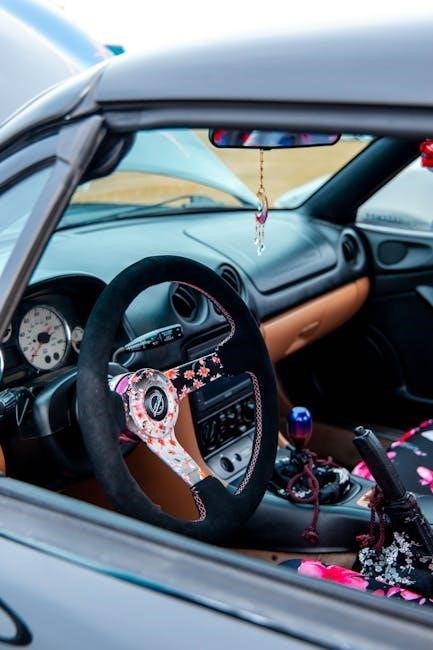
The Mazda Miata, especially models like the 1990 or 1995 MX-5, is widely acclaimed as ideal for learning manual transmission. Enthusiasts declare, “The answer is Miata. Always Miata,” highlighting its suitability. Its platform features make the process effective and enjoyable.
The Miata’s clutch is consistently praised as “just right.” It offers a short throw and provides substantial feedback, vital for beginners to discern the engagement point. This direct input aids understanding clutch release and throttle synchronization, minimizing stalls, building confidence. It’s “super direct and forgiving.”
Furthermore, the shifter mechanism is celebrated as “fun to throw around” and precise. The short, crisp throws of its “lovely little gearbox” make gear changes intuitive and satisfying. This design encourages practice, transforming the challenge into an engaging and rewarding endeavor.
This combination of a forgiving clutch, direct feedback, and an enjoyable shifter creates an optimal learning environment. Drivers swiftly develop proficiency and master the art of the stick shift.
Honda Civic and Sedans
Honda vehicles, particularly the Civic and other sedans, are frequently recommended for learning manual transmission due to their exceptional durability and forgiving nature. A key characteristic of Honda stick shifts is their robust clutch assembly. New drivers often worry about excessive clutch wear, especially in stop-and-go traffic, but Honda clutches are built to withstand such learning curves without premature failure. This inherent resilience provides peace of mind, allowing learners to focus on technique rather than potential damage.
Should the clutch eventually require replacement, it is typically an affordable and straightforward process, further enhancing Honda’s appeal as a learning vehicle. Any late-model Honda sedan, whether a four or five-speed, serves as an excellent platform. Specific models like the 2016 and newer Honda Civic are noted for being very forgiving. The 2005 Honda Civic Hybrid, for instance, offered an “Auto Stop” feature, which conveniently turned off the engine when stopped and restarted upon engaging a gear. This innovation was particularly beneficial for new drivers, simplifying the process of getting going and restarting after a stall, providing a welcome respite during the initial learning stages.
Nissan Sentra
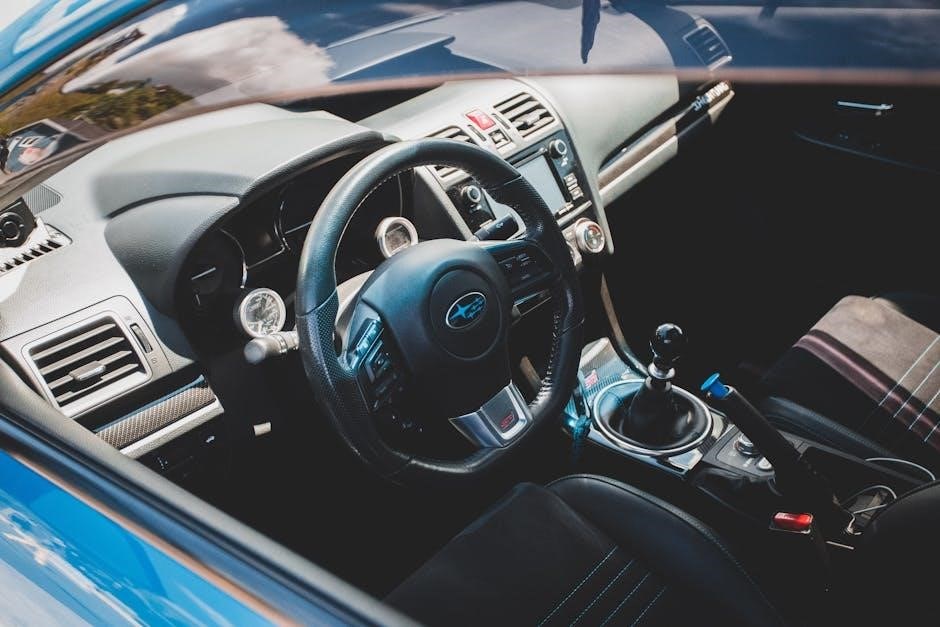
The Nissan Sentra consistently ranks as an ideal candidate for learning manual transmission, primarily due to its inherent affordability. Readily available in the used car market, the Sentra offers an economical entry point for aspiring stick-shift drivers, minimizing the financial concerns often associated with the initial learning phase on a more expensive vehicle. This cost-effectiveness is a crucial benchmark for beginner-friendly cars, allowing learners to focus on developing their skills without excessive worry over potential wear and tear on a significant investment.
Beyond its budget-friendly appeal, the Nissan Sentra is highly regarded for its straightforward manual transmission system. Engineered for simplicity, its clutch engagement is frequently described as forgiving and predictable, which significantly reduces intimidation for those still refining their clutch control. The shifter mechanism is equally user-friendly, offering clear and distinct gear selections that empower new drivers to confidently navigate through the gears. This combination of affordability and mechanical simplicity ensures the Nissan Sentra provides a smooth and less stressful learning experience, enabling new drivers to quickly build proficiency and confidence behind the wheel.
Volkswagen GTI and Mazda Speed 3
For a rewarding manual learning experience in a practical four-seater, the Volkswagen GTI (2003-2013) and Mazda Speed 3 (2006-2011) are top recommendations. They blend engaging dynamics with forgiving manual characteristics, creating an ideal environment for aspiring stick-shift drivers to hone their skills and appreciate precise shifting.
The Volkswagen GTI from these generations boasts a communicative clutch, allowing new drivers to easily feel the engagement point, crucial for smooth starts and stall prevention. Its precise, satisfying shifter further aids learning gear changes. The GTI’s balanced performance ensures the car remains predictable and manageable, fostering confidence for beginners mastering manual driving.
The Mazda Speed 3 also presents a compelling option. Its direct manual transmission provides clear tactile feedback. While its clutch might be firmer, its responsiveness is invaluable for developing fine modulation. Critically, the Speed 3’s ample low-end torque offers a forgiving buffer, assisting smoother take-offs and reducing stalling. This combination greatly accelerates learning for new manual drivers.
Toyota Echo
The Toyota Echo stands out as a genuinely excellent choice for individuals learning to drive a manual transmission. Its reputation for being “very easy to drive” directly translates into a forgiving and confidence-building experience for novices. A key attribute is its remarkably user-friendly clutch, which often features a predictable engagement point and a lighter pedal feel. This design helps new drivers quickly grasp the delicate balance between clutch release and throttle application, minimizing frustrating stalls during the crucial initial learning phase.
Furthermore, the Echo’s manual shifter is typically characterized by clear, well-defined gates. This makes it straightforward for beginners to accurately select gears without confusion or accidental mis-shifts, fostering a sense of control and reducing anxiety. The car’s engine, while not powerful, usually provides adequate low-end torque, which is incredibly beneficial. This allows for smoother take-offs from a stop, even if the clutch work isn’t perfect, offering a critical margin of error. Being a Toyota, the Echo also benefits from inherent reliability and affordability in the used market, making it a practical and low-stress option for rigorous learning. Its uncomplicated mechanics and straightforward operation simplify the entire learning process.
Diverse Learning Vehicle Options
Beyond conventional choices, many diverse vehicles can effectively teach manual transmission. From sturdy pickups to classic sedans and utility machines, unexpected options offer unique advantages. These platforms provide forgiving traits for mastering the art of the stick shift.
Dodge Dakota Pickup
The Dodge Dakota pickup offers a surprisingly effective platform for learning manual transmission, as many learners have found. Its design features contribute significantly to a beginner-friendly experience. For example, the 1997 Dodge Dakota, often used in places like the Midwest, proved an excellent teaching tool on various roads.
A key advantage is its incredibly long shifter throws and extensive clutch travel. This generous design makes it easy for new drivers to find and engage gears confidently. Furthermore, the lengthy shifter provides tangible feedback; learners can visibly see and feel when the clutch bites, significantly reducing unexpected stalls. This direct sensory input is invaluable for developing precise clutch control and understanding the transmission’s mechanics.
The Dakota’s torquey engine response further enhances its suitability. This low-end grunt helps prevent stalling during imperfect starts, offering a forgiving margin of error crucial for building confidence. Many have successfully taught others on this pickup, attributing the quick learning curve to its accommodating characteristics. The combination of clear feedback, ample travel, and a forgiving engine makes the Dodge Dakota a practical choice for mastering manual driving.
BMW E36 316i
The BMW E36 316i, while often considered “underpowered,” paradoxically makes an excellent choice for learning manual transmission. Its four-cylinder engine produces a modest 100 horsepower and 104 lb-ft of torque at 4,250 rpm, ensuring gentle power delivery that prevents new drivers from feeling overwhelmed. This allows beginners to focus entirely on perfecting clutch engagement and precise gear shifts, free from excessive speed intimidation. Crucially, the E36 316i features “great controls.” The clutch offers clear, predictable feedback, simplifying finding the bite point and minimizing early stalls. Coupled with a smooth, communicative shifter, this vehicle provides invaluable tactile input, essential for developing muscle memory and coordination for fluid, confident driving. This combination of manageable power and refined controls establishes the E36 316i as a forgiving, confidence-building platform for mastering stick shift.
Acura TSX and Nissan Versa
Both the Acura TSX and Nissan Versa prove to be highly effective and forgiving vehicles for individuals embarking on their manual transmission learning journey. The second-generation Acura TSX, equipped with its six-speed manual, benefits from a “Honda-badged gearbox,” renowned for its durability and smooth operation. This setup offers a precise and approachable clutch, making it less intimidating for new drivers to find the engagement point and prevent stalling. Its responsive yet predictable nature allows learners ample “hands-on experience” to develop crucial coordination and timing.
Similarly, the Nissan Versa with a manual transmission is frequently cited as an excellent choice for beginners. Its straightforward manual system is designed for ease of use and affordability, especially in the used market. The Versa’s clutch and shifter are known to be light and manageable, reducing the physical demand on a novice driver and allowing them to focus on the fundamental techniques of shifting gears. These models exemplify suitable learning cars by combining user-friendly mechanics with overall reliability, fostering a confident progression towards mastering the stick shift.
Unique Learning Tools: Tractors and Geo Metro
Surprisingly, some unconventional vehicles offer unique advantages for learning manual transmission. The three-cylinder Geo Metro, for example, is highly regarded for its “great gearbox” and forgiving clutch. Many find that practicing clutch control in reverse gear is particularly effective, as it can be more lenient than a tall first gear, allowing new drivers to develop a sensitive feel for the clutch’s biting point without the added complexity of forward motion.
Farm tractors also emerge as excellent, albeit unexpected, learning instruments. Simple models like a Ferguson tractor, with its “very simple 4-speed” transmission, provide an ideal starting block. Tractors inherently possess “lots of torque and relatively low speeds,” which are crucial for beginners. The ample low-end torque helps prevent stalling, giving learners confidence and time to master clutch engagement. While some modern tractors feature more complex, multi-lever, non-synchro transmissions that offer a greater “challenge,” their fundamental design prioritizes robust, forgiving mechanics, making them superb for building foundational manual driving skills in a controlled, low-speed setting.
Effective Manual Driving Learning Strategies
Mastering manual transmission demands dedicated practice and a structured approach. Crucially, a patient instructor who encourages steady progress is invaluable. Starting in safe, low-traffic environments allows learners to build confidence gradually, ensuring a smoother transition from theory to confident, real-world driving.
Practicing in a Safe Environment
Beginning your manual transmission journey in a safe and controlled environment is paramount for effective learning. Initially, a private driveway or an empty parking lot offers the ideal space to master fundamental clutch control and gear engagement without the pressure of traffic. One learner spent days in their driveway, meticulously practicing getting the car moving smoothly without stalling, building crucial muscle memory.
Once comfortable with basic starts and stops, transition to county roads or residential blocks. These areas, often featuring stop signs but minimal traffic, provide a gentle progression. Gradually, you can introduce gentle hills, allowing you to practice hill starts in a less stressful setting. For instance, circling a block with only stop signs allows for repeated, low-stakes practice. Some unconventional methods even suggest using reverse gear to get a feel for the clutch due to its forgiving nature, or learning on farm tractors in open fields. The key is to minimize external stressors, fostering confidence and allowing full concentration on the mechanics of shifting, before venturing into busier, more challenging driving scenarios.
The Value of a Patient Instructor
A crucial element in mastering manual transmission is the presence of a patient instructor who encourages progress, understanding that not everyone will grasp the skill within an hour. Learning to coordinate the clutch, accelerator, and shifter takes time and practice; a calm, supportive mentor makes all the difference. For instance, one individual vividly recalled their mother’s excellent guidance while learning on a Dodge Dakota pickup, attributing significant success to her teaching abilities. This patience helps alleviate the common anxieties associated with stalling or grinding gears, which are inevitable parts of the learning curve.
Conversely, a stressful or impatient co-pilot can severely hinder the learning process. Imagine the pressure of a spouse freaking out during an unexpected car issue on a freeway, as one learner recounted. Such situations amplify stress, making it difficult to focus on the intricate coordination required. A good instructor provides constructive feedback without criticism, fostering a low-pressure environment where mistakes are opportunities for growth. They understand that confidence builds gradually, offering reassurance and clear instructions. Ultimately, the emotional support and steady guidance from a patient teacher are as vital as the car itself in transforming a novice into a confident stick-shift driver;