Understanding Belt Sizing: A Comprehensive Guide
Navigating belt sizes can be tricky, as waist and belt measurements differ.
This guide offers a detailed exploration of accurate sizing,
conversion charts, and brand-specific information.
Discover how to find the perfect fit for comfort and style,
avoiding common issues like belts that are too long or short.
Understanding these nuances ensures a confident, well-fitted look.
Why Accurate Belt Sizing Matters
Achieving the right belt size is paramount for both functionality and aesthetics. A properly sized belt securely holds up your trousers, preventing slippage and ensuring a polished appearance. Conversely, an ill-fitting belt can be uncomfortable, create unsightly bunching, or even damage your clothing. Beyond practicality, the correct belt size contributes significantly to overall style.
Incorrect sizing can lead to frustration and wasted money. A belt that’s too long may dangle awkwardly, while one that’s too short won’t fasten comfortably. Considering that belt sizes aren’t always consistent across brands – as seen with Gucci, Nike, and VKPO/VKBO – accurate measurement is crucial. Utilizing size charts, whether in inches or centimeters, and understanding regional conversions (US/European, International) is essential.
Furthermore, different belt styles, like high-waisted versus regular waist belts, necessitate distinct sizing approaches. Even “one-size” belts, adjustable to 120cm, require initial waist assessment. Ultimately, precise belt sizing enhances your confidence and ensures a refined, well-coordinated outfit.
The Difference Between Waist Size and Belt Size
Understanding the distinction between waist size and belt size is fundamental to finding the perfect fit. Your waist size represents the actual circumference of your natural waistline, typically measured just above your hip bones. Belt size, however, refers to the length of the belt itself, and is generally longer than your waist measurement to allow for fastening and comfortable wear.
A common rule of thumb is to add approximately 2-4 inches to your waist size to determine your ideal belt size. For example, a 32-inch waist typically requires a 34-36 inch belt. This allowance accommodates the belt buckle and the portion of the belt that needs to be threaded through the loops. Size charts often reflect this difference, providing conversions between waist measurements and corresponding belt sizes.
It’s crucial to note that these are general guidelines, and variations can occur based on belt style and brand. Always consult specific brand size guides, like those offered by Gucci or Nike, for the most accurate recommendations. Ignoring this difference can lead to a poorly fitting belt, compromising both comfort and appearance.
Measuring for Your Belt
Accurate measurement is key to a perfect fit! Use a measuring tape around your natural waistline, where you typically wear your belt, to determine your size.
How to Measure Your Waist Accurately
Precise waist measurement is fundamental for selecting the correct belt size. Begin by standing naturally, ensuring your spine is straight and your abdomen relaxed – avoid sucking in your stomach. Wrap a flexible measuring tape around your natural waistline, which is generally located about an inch above your belly button. The tape should be snug but not constricting; it shouldn’t dig into your skin or compress your waist.
Ensure the measuring tape is level all the way around your body. Ask a friend or family member to assist if you have difficulty reading the measurement yourself, as maintaining the tape’s levelness can be challenging. Record the measurement in inches or centimeters, depending on the sizing chart you’ll be using. It’s always a good idea to measure twice to confirm accuracy.
If you’re measuring over clothing, consider the thickness of the garments, as this can add to the overall measurement. For the most accurate result, measure directly against your skin or light underwear. Remember, this measurement is the foundation for finding a belt that fits comfortably and securely.
Using a Belt Sizing Chart: A Step-by-Step Guide
Locate a reliable belt sizing chart – many brands offer specific charts on their websites (like Gucci or Nike), while general charts are widely available online. Once you have your accurate waist measurement (obtained as previously described), find the corresponding belt size on the chart. Remember that belt sizes are often listed in inches, but some charts may use centimeters.
Pay attention to whether the chart specifies waist size or belt size. Some charts directly correlate waist measurements to belt sizes, while others require you to add a few inches to your waist measurement to determine the appropriate belt size. For example, a 34-inch waist might require a 36-inch belt.
Consider the type of belt and your desired fit. High-waisted belts often require a different size than regular waist belts. If you’re between sizes, it’s generally recommended to size up for a more comfortable fit. Always double-check the brand’s specific recommendations, as sizing can vary.
Belt Size Charts by Region
Belt sizing varies globally; US/European charts differ from international standards (CM). Accurate conversions are crucial for a perfect fit, ensuring comfort and style across borders.
US & European Belt Size Conversion
Converting between US and European belt sizes requires understanding the differing measurement systems. Generally, US belt sizes correspond directly to waist measurements in inches, while European sizes utilize centimeters. However, a direct conversion isn’t always straightforward due to variations in manufacturing and sizing standards.
A common belt size conversion chart reveals these relationships: a 30-inch waist typically requires a 32-inch belt, a 32-inch waist a 34-inch belt, and so on. This accounts for the portion of the belt needed to secure the buckle. European sizes are often indicated with numbers, such as 34, 36, or 38, which roughly correlate to waist circumferences in centimeters (81.3cm, 86.4cm, 91.4cm respectively).
It’s important to note that some brands may run slightly larger or smaller. Therefore, always consult the specific brand’s size guide when possible. When in doubt, it’s generally recommended to size up, as a belt can always be tightened, but cannot be easily lengthened. Accurate measurement is key to avoiding fit issues and ensuring a comfortable, stylish look.
International Belt Size Charts (CM)
Understanding international belt sizing, particularly when measurements are in centimeters, is crucial for a perfect fit. Many apparel and belt manufacturers utilize metric measurements, especially outside of the US. A typical size chart might list waist sizes alongside corresponding hip and bust measurements, offering a more comprehensive fit guide.
For example, a size XXS might correspond to a waist measurement of 57-61 cm, while XS is 62-65 cm. Moving up, S could be 66-71 cm, M 72-76 cm, L 77-81 cm, and XL 82-86 cm. These charts often include height recommendations as well, ensuring proportional sizing. However, these are general guidelines, and variations exist.
VKPO/VKBO belts, for instance, offer specific length-to-waist ratios: a 105cm belt fits a 78-98cm waist, 115cm fits 88-108cm, and 125cm fits 98cm and above. Always prioritize measuring your waist accurately and comparing it to the brand’s specific chart; Don’t assume a direct conversion from your usual size; check the centimeters for the best results.
Specific Brand Belt Sizing
Brand sizing varies significantly; Gucci, Nike, and VKPO/VKBO each have unique charts.
Consulting the official size guide for your chosen brand is essential for an accurate fit,
ensuring optimal comfort and style with your new belt.
Gucci Belt Size Guide
Finding your perfect Gucci belt size requires careful measurement and referencing their specific size chart. Gucci belts are a popular fashion statement, and a proper fit is crucial for both aesthetics and comfort. Begin by measuring your waist at your natural waistline – this is typically where you would normally wear your belt.
Use a flexible measuring tape, ensuring it’s snug but not overly tight. Record this measurement in inches or centimeters. Gucci provides a comprehensive size guide on their official website, detailing the corresponding belt size for your waist measurement. It’s important to note that Gucci belt sizes are often indicated by a number that doesn’t directly correlate to your waist size; therefore, relying on their chart is vital.
Gucci belts also come in various styles, and some may have slightly different sizing recommendations. Always double-check the specific product description for any unique sizing notes. Remember to consider whether you prefer a more fitted or relaxed look when selecting your size. If you’re between sizes, it’s generally recommended to size up for a more comfortable fit. Accurate measurement and careful chart consultation will guarantee a stylish and well-fitted Gucci belt.
Nike Belt Size Chart
Determining your ideal Nike belt size is straightforward with their easy-to-read size chart. Nike offers a range of belts, primarily designed for athletic wear and casual styles, and finding the correct fit ensures optimal performance and comfort. Begin by accurately measuring your waist circumference at the point where you intend to wear the belt. Use a flexible measuring tape, keeping it level and snug against your skin, but not constricting.
Record your waist measurement in inches. Nike’s size chart then correlates this measurement to a specific belt size, typically indicated by a Small, Medium, Large, or XL designation. It’s crucial to consult Nike’s official size chart, available on their website or product pages, as sizing can vary slightly between different belt models.
Nike belts are designed for a secure and comfortable fit during activity, so avoid choosing a size that is too loose. If your measurement falls between sizes, consider opting for the larger size to ensure adequate comfort and adjustability. Referencing the chart and understanding your waist measurement are key to selecting the perfect Nike belt for your needs.
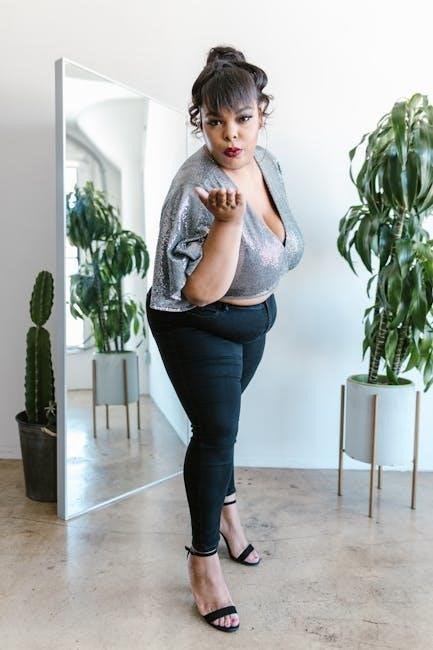
VKPO/VKBO Belt Sizing Information
VKPO and VKBO belts, often favored for their durability and classic style, require careful attention to sizing to ensure a proper fit. These belts are typically measured by their length, which corresponds to a range of waist sizes. A VKPO/VKBO belt with a length of 105 cm is designed to fit waists ranging from 78 to 98 cm. If your waist measurement falls outside this range, a different length is necessary.
For waists between 88 and 108 cm, a 115 cm belt is recommended. Larger waists, measuring between 98 cm and beyond, should opt for a 125 cm belt. It’s important to note that if your waist is smaller than 78 cm, direct contact with the vendor is advised, as adjustments or a smaller size may be required.
Accurate measurement is crucial; use a flexible measuring tape to determine your waist circumference. When in doubt, it’s generally better to choose a slightly longer belt, as it can be adjusted down, rather than a belt that is too short to fasten comfortably.

Types of Belts and Their Sizing Considerations
Belt sizing varies based on type. Automotive V-belts use a length designation in tenths of inches (4L or 3L).
One-size belts offer adjustability, while waist-specific styles demand precise measurements for optimal fit and comfort.
Classic V-Belts: Understanding Length Designations (Automotive)
Classic V-belts, commonly found in automotive applications, utilize a unique sizing system based on their effective length. Unlike belts sized by waist measurement, these belts are designated by a combination of letters and numbers. The letter – ranging from A to E – indicates the cross-sectional shape and thickness of the belt, influencing its power transmission capability. A smaller letter signifies a narrower and less powerful belt, while a larger letter denotes a wider, more robust option.
The numerical portion of the designation represents the effective length of the belt, expressed in tenths of an inch. For example, a belt labeled “6L850” signifies a 6L belt with an effective length of 85.0 inches. This system allows for precise replacement and ensures proper fit within the engine’s pulley system. Accurate length measurement is crucial; an incorrect length can lead to slippage, overheating, and premature wear of both the belt and the pulleys.
When replacing a V-belt, always refer to your vehicle’s service manual for the correct designation. Matching the original belt’s letter and numerical length is paramount for optimal performance and longevity. Ignoring these specifications can compromise the engine’s efficiency and potentially cause damage.
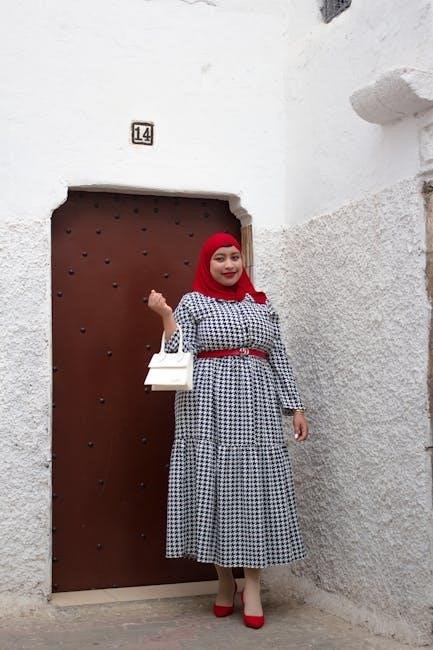
One-Size Belts: Adjustability and Fit
One-size belts offer convenience through their adaptable design, aiming to accommodate a range of waist sizes. Typically, these belts measure around 120 cm (approximately 47 inches) in length and feature a buckle system allowing for adjustment. However, relying solely on “one-size-fits-most” can be misleading; understanding the limitations is crucial for a comfortable and secure fit.
The adjustability relies on the buckle’s range, and individuals with waists significantly smaller than the belt’s minimum adjustable length may find excess strap unsightly or cumbersome. Conversely, those exceeding the maximum adjustable length won’t achieve a proper fit. A waist measurement is still recommended, even for one-size belts, to ensure compatibility.
If your waist falls outside the typical range – specifically, below 78 cm or above 108 cm – contacting the seller for guidance is advisable. Some retailers offer modifications or alternative options for exceptional sizes. While convenient, one-size belts prioritize flexibility over a perfectly tailored fit, so careful consideration is key.
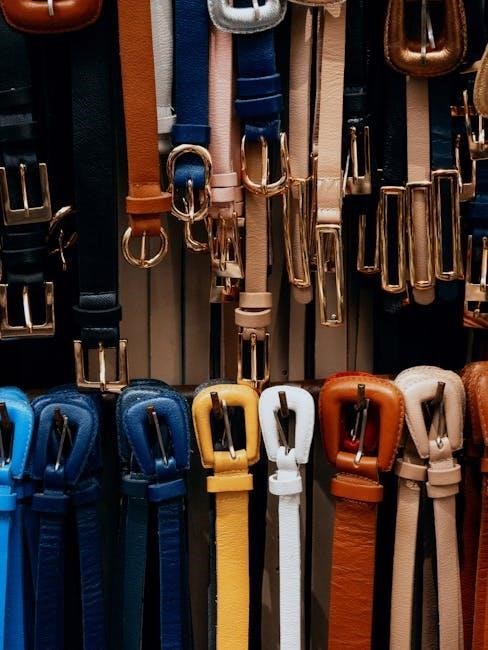
High Waist vs. Regular Waist Belts: Sizing Differences
Belt sizing isn’t universal; the intended waist height – high or regular – significantly impacts the required length. High-waisted belts are designed to sit at or above the natural waistline, typically higher than where most people wear their belts daily. Consequently, you’ll generally need a larger belt size compared to a regular waist belt, even if your overall waist measurement remains the same.
Regular waist belts are intended to be worn at the hips, or your natural waist, and are sized accordingly. To determine the correct size for a high-waisted belt, measure your waist at the desired height – usually several inches above your hip bones. This measurement will likely be larger than your typical belt size.
Consulting size charts that specifically differentiate between high and regular waist styles is essential. Charts often provide recommendations based on clothing size, waist measurement, and intended belt placement. Ignoring this distinction can lead to an ill-fitting belt, compromising both comfort and aesthetic appeal. Always prioritize accurate measurement and chart reference.

Troubleshooting Belt Fit Issues
Addressing fit problems is common. If a belt is too long, consider adding extra holes or using a belt shortener.
For belts too short, unfortunately, alterations are often impossible; a new size is needed.
What to Do If Your Belt is Too Long
Encountering a belt that’s too long is a frequent issue, but thankfully, several solutions exist before resorting to replacement. The most straightforward approach is to add additional holes to the belt. This can be easily accomplished with a leather punch, creating a more secure and customized fit. Ensure you punch the holes evenly spaced and consider reinforcing them to prevent tearing over time.
Alternatively, a belt shortener offers a non-permanent solution. These devices clamp onto the back of the belt, effectively reducing its length without altering the leather itself. They are particularly useful for belts you occasionally need at a shorter length. Another option, though less common, involves taking the belt to a professional leatherworker. They can expertly shorten the belt and re-finish the cut end, providing a seamless and durable result.
However, be mindful of the belt’s construction. Some belts, particularly those with intricate designs or delicate leather, may not be suitable for punching additional holes. In such cases, a belt shortener or professional alteration is the preferred method. Remember to always prioritize maintaining the belt’s integrity and longevity when addressing a length issue.
What to Do If Your Belt is Too Short
Discovering your belt is too short presents a more challenging fix than one that’s too long, as adding length is rarely feasible. Unfortunately, significantly shortening a belt is often irreversible, and attempting to stretch it can damage the leather and compromise its structural integrity. However, a few limited options might offer temporary relief.

If the belt is only marginally too short, carefully consider the existing holes. Can you utilize a hole you previously dismissed as too tight? Sometimes, a slight adjustment in how you fasten the belt can provide the necessary extra inch. Another potential, though less ideal, solution involves extending the buckle. Certain buckles allow for minor adjustments, potentially granting a small amount of additional length.
Ultimately, if the belt is demonstrably too short, the most practical course of action is often replacement. Trying to force a fit can lead to breakage and discomfort. When purchasing a new belt, prioritize accurate measurement and consult a size chart to avoid repeating the issue. Remember, a well-fitting belt enhances both style and comfort, making the investment worthwhile.
Belt Length and Waist Size Relationship
Understanding the correlation between belt length and waist size is crucial for achieving a perfect fit; Generally, a belt should be at least 4-6 inches longer than your natural waist measurement. This allowance accommodates the portion of the belt needed to secure around the buckle and provides comfortable overlap. However, this is a guideline, and variations exist based on belt style and buckle size.
For instance, a waist size of 34 inches typically requires a belt length of 38-40 inches. Charts often convert waist size directly to belt size, but remember these are approximations. VKPO/VKBO belts offer specific length-to-waist ratios (105cm for 78-98cm waist, 115cm for 88-108cm, 125cm for 98cm+). One-size belts, commonly 120cm, rely on adjustability to accommodate a range of waistlines.
Always prioritize measuring your waist accurately, and when in doubt, opt for a slightly longer belt. It’s easier to remove excess length than to add it. Consider the buckle’s width, as larger buckles may necessitate a longer belt to ensure proper fit and prevent straining the leather. A proper length ensures both comfort and the belt’s longevity.