Understanding Low-Fat Foods
Navigating the world of low-fat eating involves understanding label terminology like “low-fat,” “nonfat,” and “fat-free,” aiming for under 3 grams of fat per serving.
What Defines “Low-Fat”?
Determining what truly constitutes “low-fat” is crucial for informed dietary choices. Regulations, as indicated by available resources, define “low-fat” as containing 3 grams of fat or less per serving. “Fat-free” signifies less than 0.5 grams of fat per serving, while “nonfat” implies even less.
However, it’s vital to remember that these definitions focus on the total fat content. A product labeled “low-fat” might still contain significant calories from other sources, like sugar or refined carbohydrates. Therefore, a holistic approach to nutrition is essential, considering the overall nutritional profile beyond just the fat content.
Carefully scrutinizing the Nutrition Facts label is paramount, paying attention to serving sizes and the types of fats present – saturated, unsaturated, and trans fats – to make truly healthy selections.
Reading Food Labels for Fat Content
Effectively deciphering food labels is paramount when pursuing a low-fat diet. Begin by examining the “Nutrition Facts” panel, noting the “Total Fat” amount per serving. Crucially, assess the serving size – all values are based on this quantity.
Next, scrutinize the breakdown of fat types: saturated, unsaturated, and trans fats. Prioritize minimizing saturated and eliminating trans fats. Look for foods with a higher proportion of unsaturated fats, considered healthier options.
Don’t solely focus on the “Total Fat” figure; consider the calories derived from fat. Also, be mindful of ingredient lists – hidden fats can lurk in unexpected places. Understanding these details empowers you to make informed, low-fat food choices.
The Importance of Total Fat vs. Saturated & Unsaturated Fats
While “Total Fat” provides an overview, differentiating between fat types is crucial for health. Saturated fats, often found in animal products, can raise cholesterol levels. Trans fats, largely artificial, are even more detrimental and should be avoided entirely.
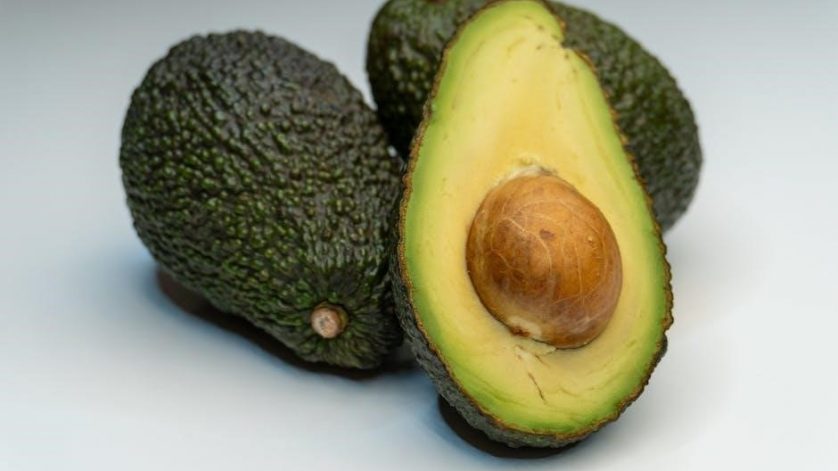
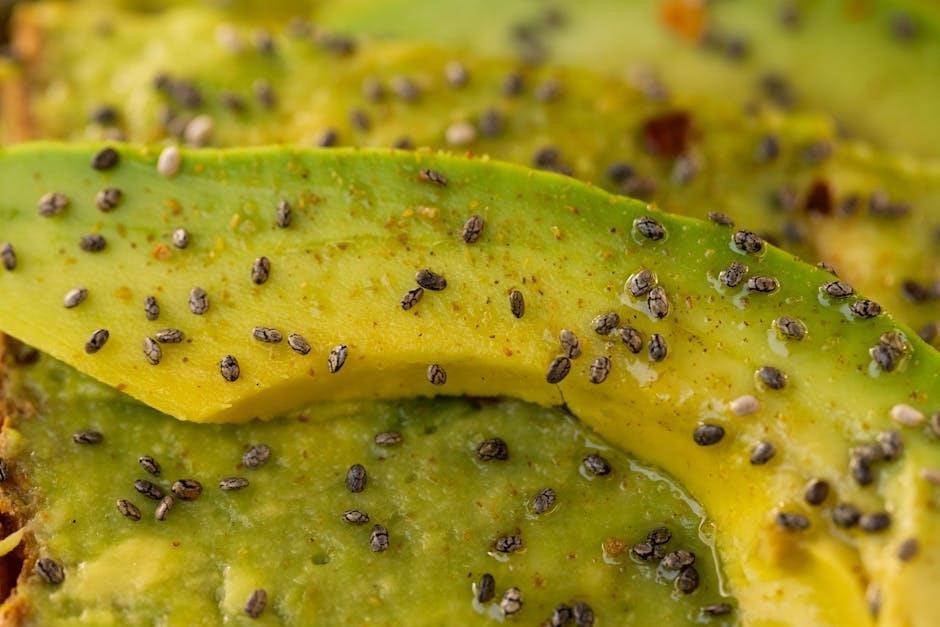
Unsaturated fats, conversely, are beneficial. Monounsaturated and polyunsaturated fats, present in foods like avocados and fish, support heart health. Focusing on reducing saturated and trans fats while increasing unsaturated fat intake is key.
Food labels often detail these breakdowns. Prioritizing foods with lower saturated fat and higher unsaturated fat content contributes to a healthier low-fat dietary pattern, promoting overall well-being.
Top Low-Fat Food Choices: Proteins
Excellent protein sources include skinless chicken and turkey breast, white fish like cod, shrimp, pork tenderloin, and low-fat cottage cheese for muscle health.
Chicken Breast (Skinless)
Skinless chicken breast is a cornerstone of many low-fat diets, celebrated for its high protein content and minimal fat. A 3.5-ounce (100-gram) serving typically contains around 31 grams of protein and less than 3 grams of fat, making it an incredibly lean option.
It’s incredibly versatile, lending itself to various cooking methods – grilling, baking, poaching, or stir-frying – without significantly increasing its fat content. Avoid frying, as this adds unnecessary calories and unhealthy fats. Seasoning with herbs, spices, and lemon juice provides flavor without relying on high-fat sauces or marinades.
Chicken breast supports muscle maintenance and satiety, aiding in weight management. It’s a readily available and affordable protein source, making it a practical choice for consistent healthy eating.
Turkey Breast (Skinless)
Similar to chicken breast, skinless turkey breast stands out as an excellent low-fat protein source. A 3.5-ounce serving generally provides approximately 30 grams of protein with only around 1-2 grams of fat, making it exceptionally lean. This makes it a fantastic choice for individuals aiming to reduce their fat intake.
Turkey breast is remarkably adaptable in the kitchen. It can be grilled, roasted, or used in sandwiches and salads. Like chicken, avoid frying to maintain its low-fat profile. Utilizing herbs, spices, and citrus-based marinades enhances flavor without adding unhealthy fats.
Regular consumption supports muscle health and promotes a feeling of fullness, assisting in weight control. It’s a convenient and cost-effective protein option for a balanced diet.
Fish (White Fish Varieties ー Cod, Haddock)
White fish like cod and haddock are nutritional powerhouses, offering a substantial protein boost with minimal fat content. A typical 3.5-ounce serving delivers around 20-25 grams of protein, accompanied by less than 3 grams of fat – qualifying them as excellent low-fat choices.
Beyond their lean protein profile, these fish are rich in essential nutrients like vitamin B12 and selenium. Preparation methods are key; baking, grilling, or steaming are preferred over frying to preserve their health benefits.
Incorporating cod or haddock into your diet several times a week supports heart health and overall well-being. Their mild flavor makes them versatile for various recipes.
Shrimp
Shrimp stands out as a remarkably lean protein source, fitting seamlessly into a low-fat dietary plan. A 3-ounce serving typically contains around 20 grams of protein, while boasting less than 1 gram of fat – making it an exceptionally healthy option. This makes shrimp a fantastic choice for those monitoring their fat intake.
Furthermore, shrimp is packed with essential nutrients like selenium, vitamin B12, and iodine, contributing to various bodily functions. Cooking methods significantly impact its health profile; steaming, grilling, or boiling are ideal, avoiding heavy sauces or frying.
Enjoying shrimp regularly supports muscle maintenance and provides valuable nutrients without compromising your low-fat goals.
Pork Tenderloin
Pork tenderloin is a surprisingly lean cut of pork, making it a valuable addition to a low-fat diet. Often considered comparable to chicken breast in terms of fat content, a 3-ounce serving typically provides around 24 grams of protein with only 3 grams of fat. This makes it a satisfying and nutritious protein source.
Choosing pork tenderloin over fattier cuts like ribs or bacon significantly reduces your overall fat intake. Preparation is key; grilling, roasting, or baking are preferred methods, avoiding frying or adding high-fat marinades.
Pork tenderloin also delivers essential nutrients like iron and B vitamins, contributing to overall health and well-being.
Cottage Cheese (Low-Fat or Non-Fat)
Cottage cheese, particularly the low-fat or non-fat varieties, stands out as an excellent protein source within a low-fat dietary plan. It’s remarkably versatile, fitting seamlessly into breakfast, lunch, or even as a healthy snack. A single serving can pack a substantial protein punch, aiding in satiety and muscle maintenance.
Compared to many other dairy products, cottage cheese naturally contains less fat, especially when opting for the reduced-fat options. It’s also a good source of calcium, vital for bone health. Be mindful of added sugars in flavored varieties; plain is always the healthiest choice.
Enjoy it with fruits or vegetables for a balanced meal!
Low-Fat Food Choices: Carbohydrates & Grains
Prioritize complex carbohydrates like chickpeas, legumes, and brown rice, as they provide sustained energy with minimal fat content for a balanced diet.
Chickpeas & Legumes
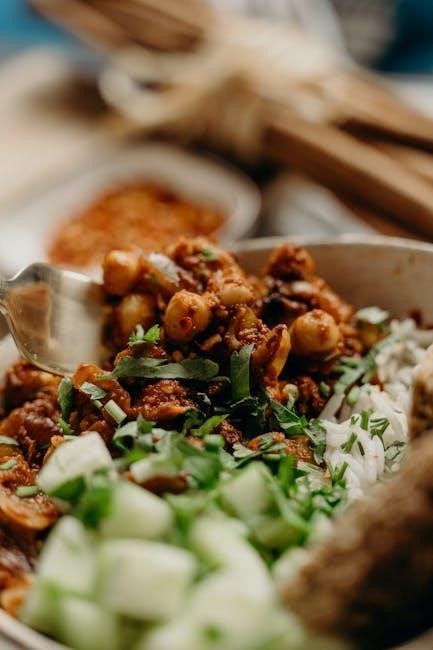
Chickpeas and other legumes, such as lentils and beans, are nutritional powerhouses offering a fantastic protein source with remarkably low fat content. They are incredibly versatile, lending themselves to a wide array of dishes – from hearty stews and vibrant salads to flavorful dips like hummus.
Beyond protein, legumes are packed with fiber, promoting digestive health and contributing to a feeling of fullness, which can be incredibly beneficial for weight management. Their complex carbohydrates provide sustained energy release, avoiding the spikes and crashes associated with simpler sugars.
Incorporating chickpeas and legumes into your diet is a simple and delicious way to boost your nutrient intake while adhering to a low-fat eating plan. They are a cost-effective and readily available food group, making them accessible to everyone.
Brown Rice
Brown rice stands out as an excellent carbohydrate choice within a low-fat dietary approach, offering a substantial nutritional profile compared to its refined white rice counterpart. Retaining the bran and germ layers, brown rice delivers a hearty dose of fiber, aiding digestion and promoting satiety – crucial for managing weight effectively.
This whole grain is also a good source of magnesium, selenium, and various B vitamins, contributing to overall health and well-being. Its slightly nutty flavor and chewy texture make it a satisfying base for numerous meals, pairing well with lean proteins and vibrant vegetables.
Choosing brown rice over white rice is a simple yet impactful step towards a healthier, lower-fat lifestyle, providing sustained energy and essential nutrients.
Oatmeal
Oatmeal is a fantastic low-fat carbohydrate option, particularly beneficial for those aiming to manage their weight and improve heart health. This whole grain is packed with soluble fiber, specifically beta-glucan, which helps lower cholesterol levels and promotes a feeling of fullness, reducing overeating.
Opting for plain, unsweetened oatmeal allows for complete control over added sugars and fats. You can enhance its flavor with naturally sweet fruits like bananas or apples, or a sprinkle of cinnamon for added warmth and antioxidants.
A warm bowl of oatmeal provides sustained energy, making it an ideal breakfast or snack choice, supporting a balanced and nutritious low-fat diet.
Low-Fat Food Choices: Fruits & Vegetables
Fruits and vegetables, like apples, bananas, oranges, kale, carrots, and beetroot, are naturally low in fat and nutrient-rich dietary staples.
Apples
Apples are an excellent choice for a low-fat diet, offering a satisfying crunch and natural sweetness without contributing significantly to fat intake. They are naturally fat-free and provide a good source of dietary fiber, which aids in digestion and promotes a feeling of fullness, potentially assisting with weight management.
Beyond being low in fat, apples are packed with essential vitamins and antioxidants, contributing to overall health and well-being. They are incredibly versatile – enjoy them as a snack, slice them into salads, or bake them into healthy desserts. Different varieties offer varying levels of sweetness and tartness, catering to diverse preferences. Incorporating apples into your daily routine is a simple and delicious way to support a healthy, low-fat lifestyle.
Bananas
Bananas stand out as a convenient and naturally low-fat fruit, making them a superb addition to any weight-conscious eating plan. Completely devoid of fat, they deliver a substantial energy boost thanks to their carbohydrate content, primarily natural sugars, providing sustained energy levels throughout the day.
Furthermore, bananas are a rich source of potassium, an essential mineral vital for maintaining healthy blood pressure and muscle function. Their soft texture makes them easily digestible, and they’re incredibly versatile – perfect for a quick snack, blended into smoothies, or used as a natural sweetener in recipes. Choosing bananas supports a low-fat diet while contributing valuable nutrients to your overall health.
Oranges
Oranges are a fantastic, naturally low-fat fruit choice, seamlessly fitting into a health-conscious diet. They contain zero fat and are incredibly low in calories, making them a guilt-free snack or addition to meals. Beyond their low-fat profile, oranges are renowned for their high vitamin C content, a powerful antioxidant that boosts the immune system and protects against cell damage.
The fiber present in oranges aids digestion and promotes a feeling of fullness, potentially assisting with weight management. Enjoy them as a refreshing snack, juice them for a vitamin-packed beverage, or add segments to salads for a burst of citrusy flavor. Oranges offer a delicious and nutritious way to support a low-fat lifestyle.
Kale
Kale stands out as a nutritional powerhouse and a superb low-fat vegetable option for any diet. It’s virtually fat-free, incredibly low in calories, and packed with essential vitamins, minerals, and antioxidants. This leafy green is a fantastic source of vitamins A, K, and C, contributing to overall health and well-being.
Kale’s high fiber content aids digestion and promotes satiety, making it a valuable addition to weight management plans. Enjoy it raw in salads, sautéed as a side dish, baked into crispy kale chips, or blended into smoothies for a nutrient boost. Incorporating kale into your meals is a simple and delicious way to embrace a low-fat, health-focused lifestyle.
Carrots
Carrots are a remarkably versatile and healthy low-fat vegetable, offering a delightful crunch and natural sweetness. They are exceptionally low in fat and calories, making them an ideal choice for those watching their weight or following a low-fat diet. Rich in beta-carotene, carrots contribute to healthy vision and skin.
Beyond beta-carotene, carrots provide a good source of fiber, aiding digestion and promoting a feeling of fullness. Enjoy them raw as a snack, roasted for a sweeter flavor, or added to soups and stews for added texture and nutrients. Carrots are a simple, affordable, and delicious way to boost your intake of essential vitamins and minerals while keeping your fat intake minimal.

Beetroot
Beetroot, also known as beets, is a vibrant root vegetable that’s incredibly nutritious and naturally low in fat. It’s a fantastic addition to a low-fat diet, offering a unique earthy sweetness and a beautiful color to your meals. Beetroot is packed with essential vitamins, minerals, and antioxidants, contributing to overall health and well-being.
This versatile vegetable is a good source of fiber, aiding digestion and promoting satiety. Enjoy beetroot roasted, boiled, or grated into salads. It can also be juiced for a nutrient-rich beverage. Incorporating beetroot into your diet is a delicious and effective way to support a healthy lifestyle while minimizing fat intake, offering a delightful flavor profile.
Low-Fat Diet Considerations
Prioritize unsalted food options to manage sodium intake alongside reduced fat, and remember gluten-free choices are readily available within a low-fat plan.
Salt Intake & Low-Fat Diets (Unsalted Options)
Maintaining a low-fat diet doesn’t automatically equate to a healthy diet; careful attention to salt intake is crucial. Often, when fat is reduced in processed foods, sodium is increased to enhance flavor. This can counteract potential health benefits. Therefore, diligently selecting unsalted options is paramount.
Focus on fresh, whole foods whenever possible, as these naturally contain lower levels of sodium. When choosing packaged goods, meticulously examine nutrition labels, comparing sodium content across different brands. Opt for “no salt added” or “low sodium” varieties. Remember, even seemingly healthy low-fat snacks can be surprisingly high in salt. Prioritizing unsalted nuts, vegetables, and lean proteins supports both low-fat and low-sodium dietary goals, contributing to overall well-being.
Gluten-Free Options within a Low-Fat Diet
Combining a low-fat and gluten-free diet is entirely achievable and can be incredibly beneficial for individuals with gluten sensitivities or celiac disease. Many naturally low-fat foods are also inherently gluten-free, simplifying meal planning. These include fruits, vegetables, lean proteins like fish and poultry, and certain grains like rice and corn.
However, careful label reading is essential, as gluten can be hidden in processed low-fat products. Focus on naturally gluten-free options and verify ingredient lists. Dairy, eggs, and meat are generally gluten-free, but cross-contamination during processing is possible. Embrace gluten-free grains like quinoa and amaranth alongside low-fat choices for a balanced and nourishing dietary approach, ensuring both fat and gluten restrictions are met.